

Thought leadership by KERAMIDA professionals on the latest Sustainability & Climate, Environmental, and Health & Safety topics, including important regulatory updates.
Search All Articles
Sustainability & Climate Articles
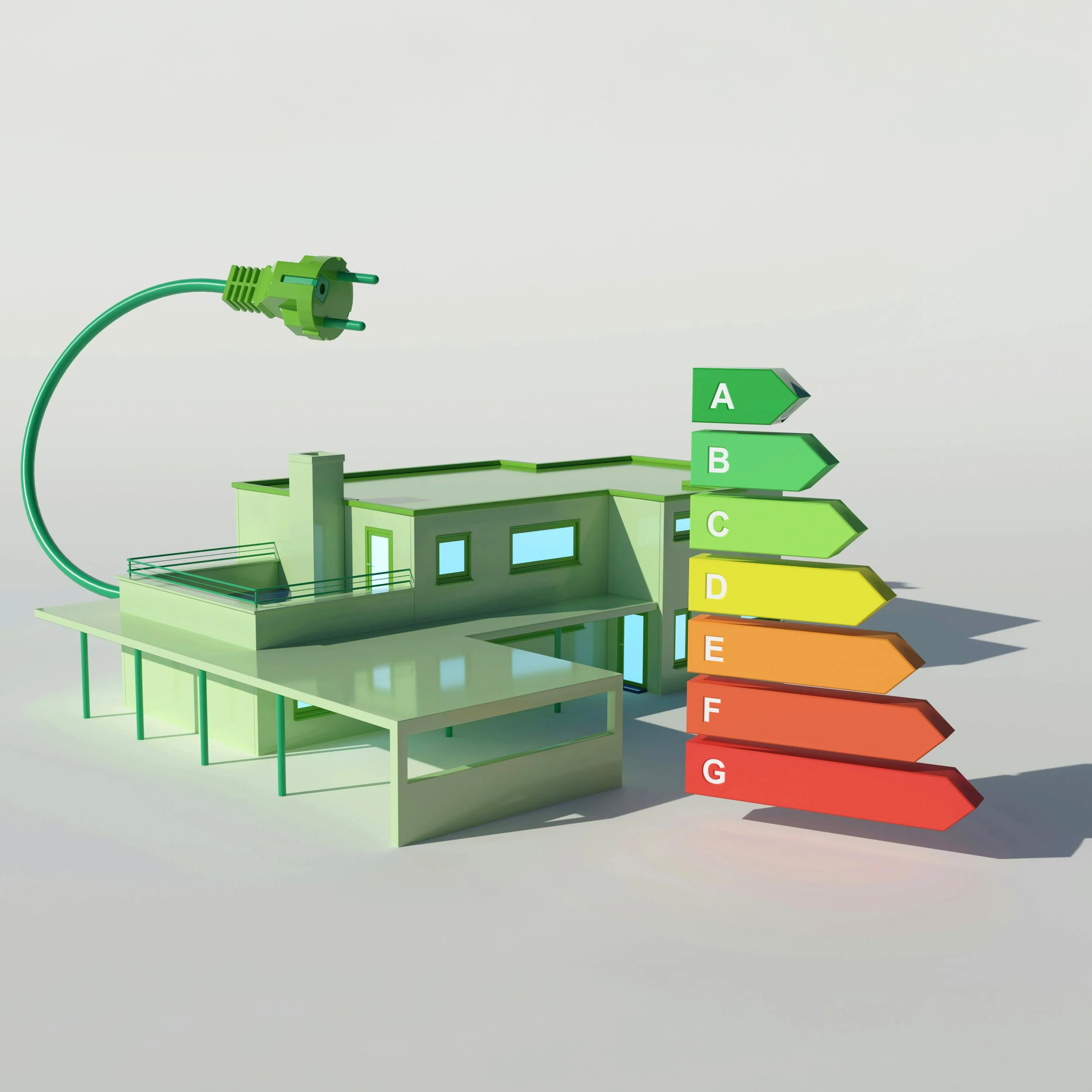
Learn how commercial energy audits uncover cost savings, quantify GHG reductions, and provide the data needed to make better facility and capital planning decisions.

KERAMIDA’s Nick McCreary reports from Climate Week NYC 2026 on why climate data is increasingly shaping customer demands, compliance, risk, and business decisions.

Walmart achieved its original one-gigaton emissions goal six years early. Learn what suppliers need to know about Project Gigaton annual reporting, Sparking Change, and Giga Guru.
Improve your CDP score with this practical 7-part checklist from a CDP Gold Accredited Provider. Based on KERAMIDA's experience supporting companies through the CDP disclosure process, this guide highlights areas that have the greatest impact on scoring outcomes, including emissions reporting, Scope 3 engagement, climate risk assessment, governance, targets, and verification.

Setting an SBTi target is only the beginning. Learn how to build a six-step decarbonization roadmap and understand the key elements every implementation plan must address to achieve meaningful, measurable progress against your emissions targets.

Sustainability reporting in 2026 isn't about picking the right framework. It's about managing complexity across all of them. Most companies are now reporting under multiple standards simultaneously and the organizations getting ahead are using GRI as the connective layer that ties everything together. Read the full article to see how.

How will SBTi’s Corporate Net-Zero Standard V2.0 impact your climate strategy? From new approaches to Scope 1, 2, and 3 target-setting to required climate transition plans and third-party assurance, the proposed updates represent a major shift for companies. Explore the key changes, expected timeline, and what your organization should be doing now to prepare for what’s ahead.

New York’s Part 253 Mandatory GHG Reporting Program is now in effect, marking a major implementation step under the Climate Act. The rule establishes statewide emissions reporting and annual verification requirements for Large Emission Sources. Learn who must report, verification thresholds, key deadlines, and what companies should do now to prepare for Part 253 compliance.
Environmental Articles

No federal PFAS indoor air standards exist yet. Here's what environmental and legal teams should know about vapor intrusion pathways, data gaps, and site liability.

Indiana’s new Industrial Stormwater General Permit (ISGP) replaces the long-standing Rule 6 program and introduces significant changes to monitoring, inspections, corrective actions, and reporting. This overview highlights key updates and practical steps facilities can take to prepare for the transition.

While the EPA’s May 2025 memorandum does not propose regulatory changes, it reaffirms the agency’s commitment to limiting the use of Section 401 to its statutory purpose, thereby minimizing unnecessary barriers to project development. Read this article to learn more about the key clarifications.

The U.S. EPA’s new FRP rule is intended to improve emergency response strategies by requiring high-risk facilities to establish a Facility Response Plan for worst-case discharges. Read this article to learn how to evaluate if your facility meets the new FRP rule applicability criteria, compliance deadlines, and what your FRP should include.

Indiana’s new Industrial Stormwater General Permit (ISGP) is expected to go into effect in 2025. Read this article for details on all the proposed changes and a to-list that current permittees can do now to prepare for the new ISGP.

The US EPA’s new PFAS rule has wide-ranging implications, significantly altering the management of contaminated properties, real estate transactions, corporate mergers and acquisitions, environmental due diligence, and insurance. Read this article to learn about the changes in how the EPA views PFAS compounds and how those changes impact the environmental due diligence process for property transactions.

Even for experienced construction crews, bat protection regulations can pose unexpected hurdles. The Northern Long-Eared Bat, among several other species, is federally endangered, and regulations under the Endangered Species Act (ESA) aim to protect its habitat. Projects within the bat's range must consider potential impacts to the bat or its habitat and meet ESA requirements. Read this article to see how to navigate these requirements and how an Environmental Inspector can be helpful.

If you are an industrial facility looking for California IGP coverage for the first time, navigating the 485 pages of the currently amended IGP may seem like a daunting task for new permittees. Read this article to learn the three key elements of stormwater compliance and how to stay compliant with the IGP.
Health & Safety Articles

Employers in California have a crucial responsibility to protect their employees from the harmful effects of wildfire smoke, particularly when air quality levels reach hazardous thresholds. Read this article to understand employer responsibilities and solutions to reduce employee risk.

When it comes to workplace safety, especially in environments where exposure to hazardous substances like methanol occurs, understanding permissible exposure limits (PELs) and effective respiratory protection is crucial. Read this article to learn the specifics of methanol exposure limits, the limitations of common respiratory protection, and the best practices for ensuring safety in the workplace.

California, Colorado, Minnesota, Oregon, and Washington currently have occupational heat stress standards for the workplace. Read this article to learn about each state’s indoor and outdoor heat illness prevention requirements and how to prepare for the proposed national OSHA Heat Stress rule.

Cal/OSHA has significantly lowered the occupational exposure thresholds for lead. As a result, numerous regulatory requirements will be triggered, resulting in a lot of work ahead for many employers. Read this article for a compliance action plan to meet Cal/OSHA’s 2025 deadline.

Did you know that OSHA requires hazard assessments on all operations to determine the Personal Protective Equipment (PPE) required by employees? Read this article to learn what the OSHA regulation requires and what employers need to do to meet compliance if hazards are present or likely to be present.

Deadline Alert! With less than 3 months before the deadline, SB-553 requires almost all California employers to prepare a Workplace Violence Prevention Plan (WVPP), provide workplace violence prevention training for employees, and maintain a violent incident log by July 1, 2024. Read this updated article to learn more about the new law and what your organization should do to meet compliance.

In industries ranging from manufacturing to agriculture, combustible dust poses a significant yet often overlooked hazard. To address this concern, the National Fire Protection Association (NFPA) has developed standards aimed at mitigating the risks associated with combustible dust. Read this article to learn about NFPA's combustible dust standards and how to complete a Dust Hazard Analysis (DHA), an essential component of managing combustible dust hazards.

With the deadline for Tier II reporting submission approaching on March 1, 2024, read this article to learn the four key components of Tier II reports and why they are so significant to emergency preparedness and response efforts.
Regulatory Updates
Indiana’s new Industrial Stormwater General Permit (ISGP) replaces the long-standing Rule 6 program and introduces significant changes to monitoring, inspections, corrective actions, and reporting. This overview highlights key updates and practical steps facilities can take to prepare for the transition.

The California Air Resources Board (CARB) hosted a 4-hour virtual workshop on August 21st, outlining proposed updates to the compliance requirements of SB 253 and SB 261. These changes will significantly shape how companies prepare for compliance. This post shares the most important takeaways from CARB’s proposed guidance, including:
Climate Scenario Analysis (CSA) and Greenhouse Gas (GHG) inventory requirements diminished for SB 261
Updated timelines for SB 261 and SB 253
New fee requirements
“Doing Business in California” still undefined
This article concludes with a legal update on the status of pending lawsuits related to SB 253 and SB 261 – covering the likelihood of the rules passing court challenges, potential changes, and the possible penalties under phased compliance.
While the EPA’s May 2025 memorandum does not propose regulatory changes, it reaffirms the agency’s commitment to limiting the use of Section 401 to its statutory purpose, thereby minimizing unnecessary barriers to project development. Read this article to learn more about the key clarifications.
The U.S. EPA’s new FRP rule is intended to improve emergency response strategies by requiring high-risk facilities to establish a Facility Response Plan for worst-case discharges. Read this article to learn how to evaluate if your facility meets the new FRP rule applicability criteria, compliance deadlines, and what your FRP should include.

On November 12, 2024, the U.S. EPA finalized the rule for calculating the Waste Emission Charge (WEC) fee on methane emissions from oil and gas facilities that exceed a certain threshold. Read this article for details on the WEC and how methane-specific regulations for the oil and gas industry have evolved.
Indiana’s new Industrial Stormwater General Permit (ISGP) is expected to go into effect in 2025. Read this article for details on all the proposed changes and a to-list that current permittees can do now to prepare for the new ISGP.
The US EPA’s new PFAS rule has wide-ranging implications, significantly altering the management of contaminated properties, real estate transactions, corporate mergers and acquisitions, environmental due diligence, and insurance. Read this article to learn about the changes in how the EPA views PFAS compounds and how those changes impact the environmental due diligence process for property transactions.
California, Colorado, Minnesota, Oregon, and Washington currently have occupational heat stress standards for the workplace. Read this article to learn about each state’s indoor and outdoor heat illness prevention requirements and how to prepare for the proposed national OSHA Heat Stress rule.


