

What you need to know about the latest regulatory updates.
Search All Articles
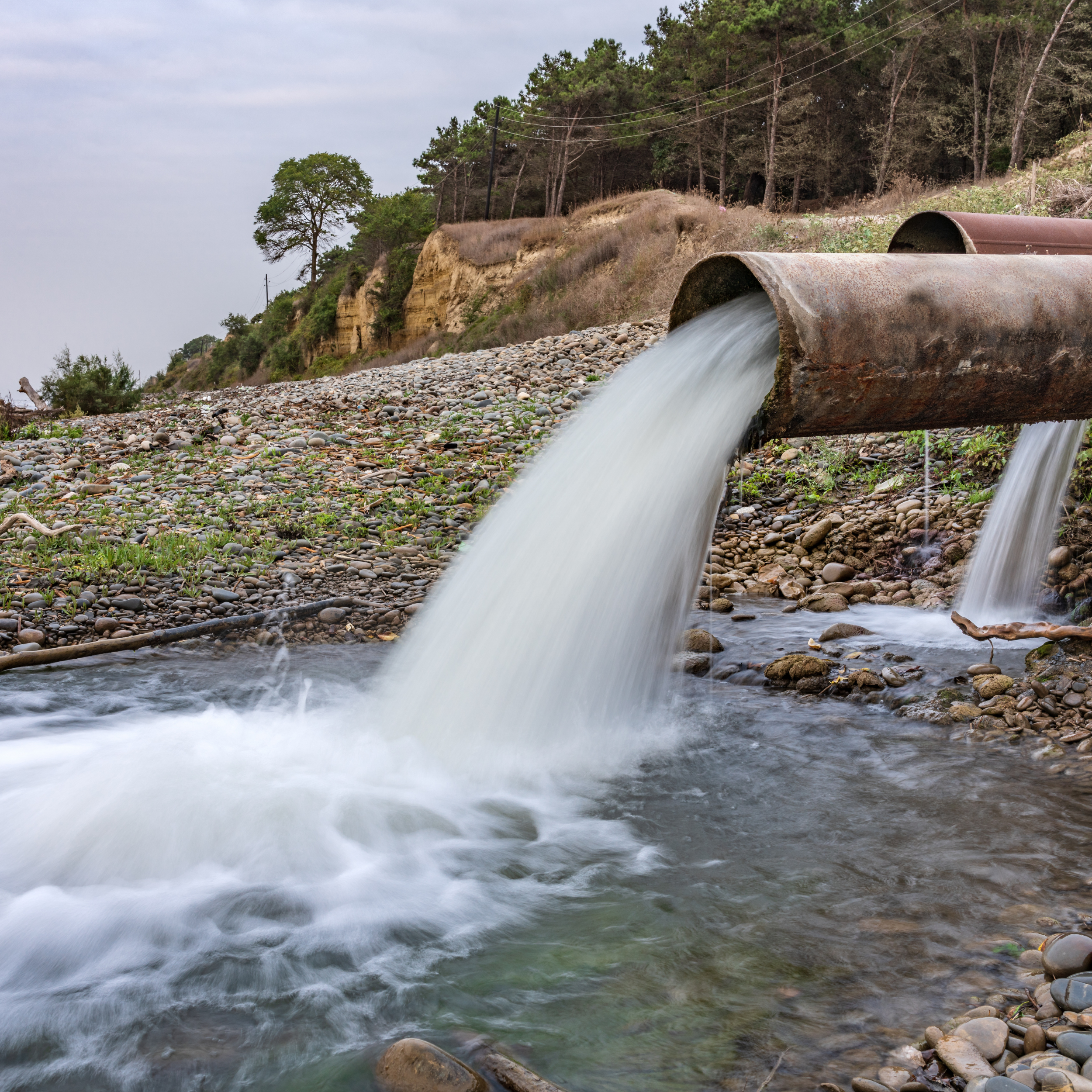
Indiana’s new Industrial Stormwater General Permit (ISGP) replaces the long-standing Rule 6 program and introduces significant changes to monitoring, inspections, corrective actions, and reporting. This overview highlights key updates and practical steps facilities can take to prepare for the transition.

The California Air Resources Board (CARB) hosted a 4-hour virtual workshop on August 21st, outlining proposed updates to the compliance requirements of SB 253 and SB 261. These changes will significantly shape how companies prepare for compliance. This post shares the most important takeaways from CARB’s proposed guidance, including:
Climate Scenario Analysis (CSA) and Greenhouse Gas (GHG) inventory requirements diminished for SB 261
Updated timelines for SB 261 and SB 253
New fee requirements
“Doing Business in California” still undefined
This article concludes with a legal update on the status of pending lawsuits related to SB 253 and SB 261 – covering the likelihood of the rules passing court challenges, potential changes, and the possible penalties under phased compliance.

While the EPA’s May 2025 memorandum does not propose regulatory changes, it reaffirms the agency’s commitment to limiting the use of Section 401 to its statutory purpose, thereby minimizing unnecessary barriers to project development. Read this article to learn more about the key clarifications.

The U.S. EPA’s new FRP rule is intended to improve emergency response strategies by requiring high-risk facilities to establish a Facility Response Plan for worst-case discharges. Read this article to learn how to evaluate if your facility meets the new FRP rule applicability criteria, compliance deadlines, and what your FRP should include.

On November 12, 2024, the U.S. EPA finalized the rule for calculating the Waste Emission Charge (WEC) fee on methane emissions from oil and gas facilities that exceed a certain threshold. Read this article for details on the WEC and how methane-specific regulations for the oil and gas industry have evolved.

Indiana’s new Industrial Stormwater General Permit (ISGP) is expected to go into effect in 2025. Read this article for details on all the proposed changes and a to-list that current permittees can do now to prepare for the new ISGP.

The US EPA’s new PFAS rule has wide-ranging implications, significantly altering the management of contaminated properties, real estate transactions, corporate mergers and acquisitions, environmental due diligence, and insurance. Read this article to learn about the changes in how the EPA views PFAS compounds and how those changes impact the environmental due diligence process for property transactions.

California, Colorado, Minnesota, Oregon, and Washington currently have occupational heat stress standards for the workplace. Read this article to learn about each state’s indoor and outdoor heat illness prevention requirements and how to prepare for the proposed national OSHA Heat Stress rule.

Cal/OSHA has significantly lowered the occupational exposure thresholds for lead. As a result, numerous regulatory requirements will be triggered, resulting in a lot of work ahead for many employers. Read this article for a compliance action plan to meet Cal/OSHA’s 2025 deadline.

Did you know that OSHA requires hazard assessments on all operations to determine the Personal Protective Equipment (PPE) required by employees? Read this article to learn what the OSHA regulation requires and what employers need to do to meet compliance if hazards are present or likely to be present.

Deadline Alert! With less than 3 months before the deadline, SB-553 requires almost all California employers to prepare a Workplace Violence Prevention Plan (WVPP), provide workplace violence prevention training for employees, and maintain a violent incident log by July 1, 2024. Read this updated article to learn more about the new law and what your organization should do to meet compliance.

The New York Fashion Act requires fashion companies with an annual global revenue of $100 million doing business in New York to be accountable to standardized environmental and social due diligence policies as well as establish a fashion remediation fund. Read this article to learn more about the proposed requirements.

If you are an industrial facility looking for California IGP coverage for the first time, navigating the 485 pages of the currently amended IGP may seem like a daunting task for new permittees. Read this article to learn the three key elements of stormwater compliance and how to stay compliant with the IGP.

The NPDES and VPDES programs are federal and Virginia state programs aimed at regulating and controlling the discharge of pollutants from construction activities into the Waters of the United States (WOTUS). This article explores the upcoming changes to the VPDES Construction General Permit and the importance of NPDES/VPDES compliance inspections.

With the deadline for Tier II reporting submission approaching on March 1, 2024, read this article to learn the four key components of Tier II reports and why they are so significant to emergency preparedness and response efforts.

Managing and protecting wetlands in Indiana is a multifaceted challenge that requires careful navigation of regulatory frameworks, a clear understanding of permitting processes, and a commitment to effective mitigation and compliance strategies. Read this article to learn about the Isolated Wetland Individual Permit, wetland mitigation requirements, and regulatory guidance for developers and companies.

California’s SB 253, SB 261, and AB 1305 represent a notable change not only in California's climate policy and regulatory requirements but, more importantly, in the expected national regulatory framework, with compliance implications for many corporations. Read this article to learn how these new climate regulations may impact your company.

The construction industry is no stranger to evolving regulations aimed at protecting the environment. If you're involved in construction in California, you're likely familiar with the California Construction General Permit (CGP). The permit was first adopted in 2009 to address stormwater runoff, safeguard water quality, and prevent pollution associated with construction activities. Read this article to learn 10 key updates in the new CGP that went into effect on September 1, 2023.

In October 2023, U.S. EPA finalized a rule to require enhanced PFAS reporting, removing a 2020-era loophole that enabled companies to avoid reporting their production or use of small amounts of PFAS. This rule classifies PFAS as “chemicals of special concern,” thereby requiring industries to report to the Toxic Release Inventory (TRI) any amount of the 189 covered PFAS used. Read this article to learn more about PFAS, the new EPA regulation, and how you can limit your exposure to PFAS.

The Inflation Reduction Act is the most significant climate bill in US history. With $349 billion available for climate solutions, whether you apply as a local government, business, non-profit, or individual, money is out there for you! Read this post to learn how eligible entities and individuals can use this historic amount of funding to achieve their sustainability goals along with quick tips based on our experience helping clients across every sector.

Intended to strengthen the resilience of Federal supply chains and reduce climate risk, the proposed Federal Supplier Climate Risks and Resilience Rule would require major federal contractors to disclose their GHG emissions and climate-related financial risks, and set science-based emissions reduction targets. Read this post for what’s included in the proposed rule.

As state and local governments sign climate commitments and set reduction goals, building decarbonization is a vital step. Read this post to learn how benchmarking and transparency policies are on the rise and what this means for building owners.

The SEC has proposed a landmark new rule requiring companies to disclose their GHG emissions and climate-related risk. Read this post to learn what this means for companies and what steps your company can take for a strong climate disclosure.

The deadline for electronically reporting your OSHA Form 300A data for the 2021 calendar year is rapidly approaching. Read this post to learn who must submit the form, and what injuries and illnesses are recordable - including COVID-19 work-related illness or vaccine adverse reaction.

Proposed Senate Bill 1251, the “Growing Climate Solutions Act of 2021,” was introduced to the 117th Congress on April 20, 2021, and outlines authorization by the USDA to develop a program to facilitate greater participation of farmers, ranchers, and private forest landowners in voluntary environmental credit markets and overcoming barriers to their entry into such markets.
The White House Office of Information and Regulatory Affairs indicates that OSHA will issue Emergency Temporary Standards that employers will be expected to adhere to regarding COVID-19, and will be published no later than June 2021.

Even incremental increases in the U.S. EPA statutory maximum civil penalties can add up to significant penalties where the violation is defined on a per-day basis. Read this post to learn how to avoid EPA penalties and how an Environmental Management System (EMS) can help.

In its most significant rulemaking in some time, the Pipeline and Hazardous Materials Safety Administration (PHMSA) published HM-219C in an effort to support the safe and expedited transportation and distribution of approved COVID-19 vaccines. Read this post to learn the key updates in the new rule.

The ability to successfully argue that your stormwater was impacted by wildfires is not automatic or absolutely certain – you have to take action. Read this post to learn the requirements for consideration in the recently issued California State Water Board guidance.

The TSCA Chemical Data Reporting (CDR) rule requires manufacturers, producers, and importers to report to the U.S. EPA data on the manufacturing, processing, and use of certain chemical substances. Read this post for the important changes to 2020 TSCA CDR reporting requirements and the new extended reporting deadline.


