

Expert insight on Environmental issues impacting companies across every industry, including the latest regulatory updates.
Search All Articles

No federal PFAS indoor air standards exist yet. Here's what environmental and legal teams should know about vapor intrusion pathways, data gaps, and site liability.
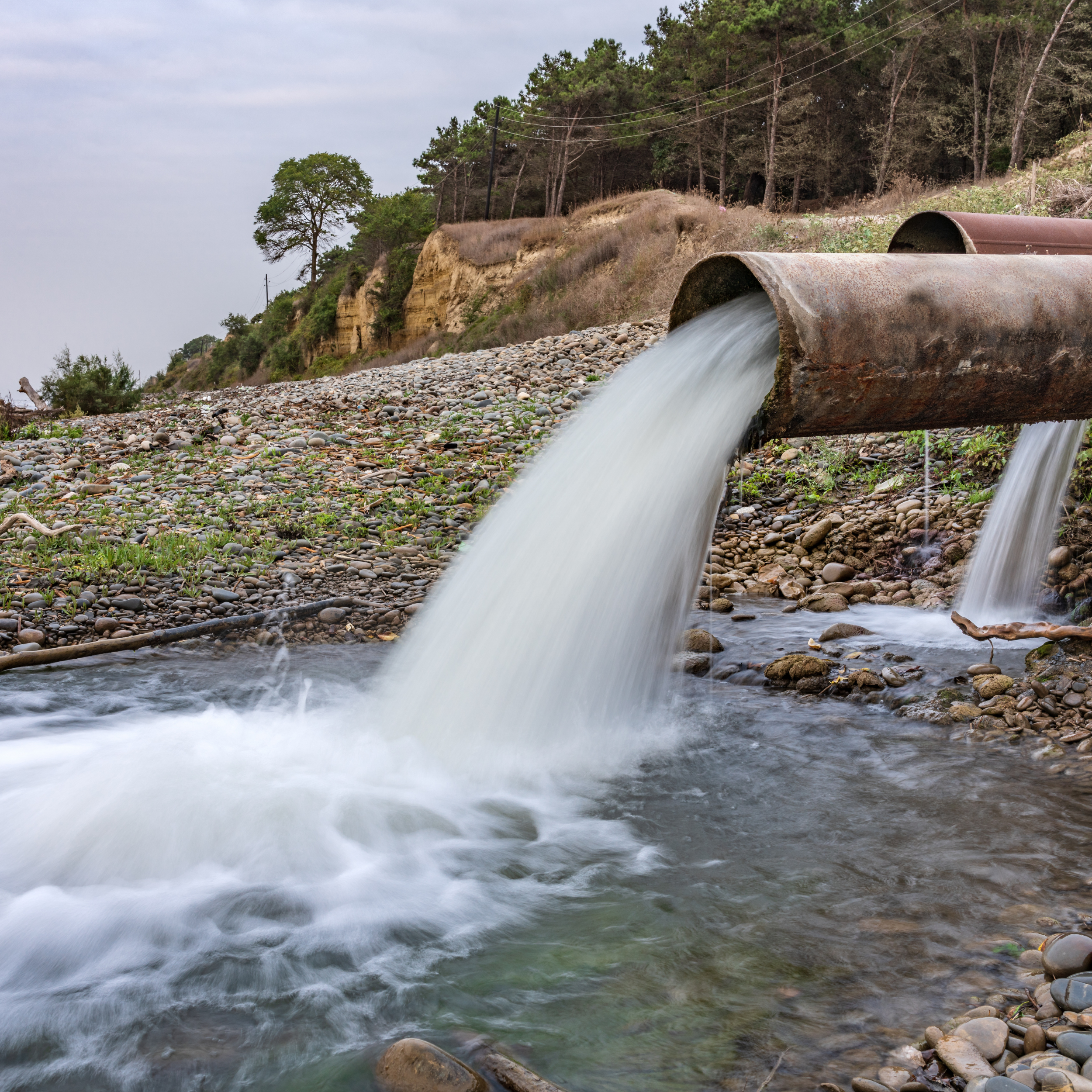
Indiana’s new Industrial Stormwater General Permit (ISGP) replaces the long-standing Rule 6 program and introduces significant changes to monitoring, inspections, corrective actions, and reporting. This overview highlights key updates and practical steps facilities can take to prepare for the transition.

While the EPA’s May 2025 memorandum does not propose regulatory changes, it reaffirms the agency’s commitment to limiting the use of Section 401 to its statutory purpose, thereby minimizing unnecessary barriers to project development. Read this article to learn more about the key clarifications.

The U.S. EPA’s new FRP rule is intended to improve emergency response strategies by requiring high-risk facilities to establish a Facility Response Plan for worst-case discharges. Read this article to learn how to evaluate if your facility meets the new FRP rule applicability criteria, compliance deadlines, and what your FRP should include.

Indiana’s new Industrial Stormwater General Permit (ISGP) is expected to go into effect in 2025. Read this article for details on all the proposed changes and a to-list that current permittees can do now to prepare for the new ISGP.

The US EPA’s new PFAS rule has wide-ranging implications, significantly altering the management of contaminated properties, real estate transactions, corporate mergers and acquisitions, environmental due diligence, and insurance. Read this article to learn about the changes in how the EPA views PFAS compounds and how those changes impact the environmental due diligence process for property transactions.

Even for experienced construction crews, bat protection regulations can pose unexpected hurdles. The Northern Long-Eared Bat, among several other species, is federally endangered, and regulations under the Endangered Species Act (ESA) aim to protect its habitat. Projects within the bat's range must consider potential impacts to the bat or its habitat and meet ESA requirements. Read this article to see how to navigate these requirements and how an Environmental Inspector can be helpful.

If you are an industrial facility looking for California IGP coverage for the first time, navigating the 485 pages of the currently amended IGP may seem like a daunting task for new permittees. Read this article to learn the three key elements of stormwater compliance and how to stay compliant with the IGP.

The NPDES and VPDES programs are federal and Virginia state programs aimed at regulating and controlling the discharge of pollutants from construction activities into the Waters of the United States (WOTUS). This article explores the upcoming changes to the VPDES Construction General Permit and the importance of NPDES/VPDES compliance inspections.
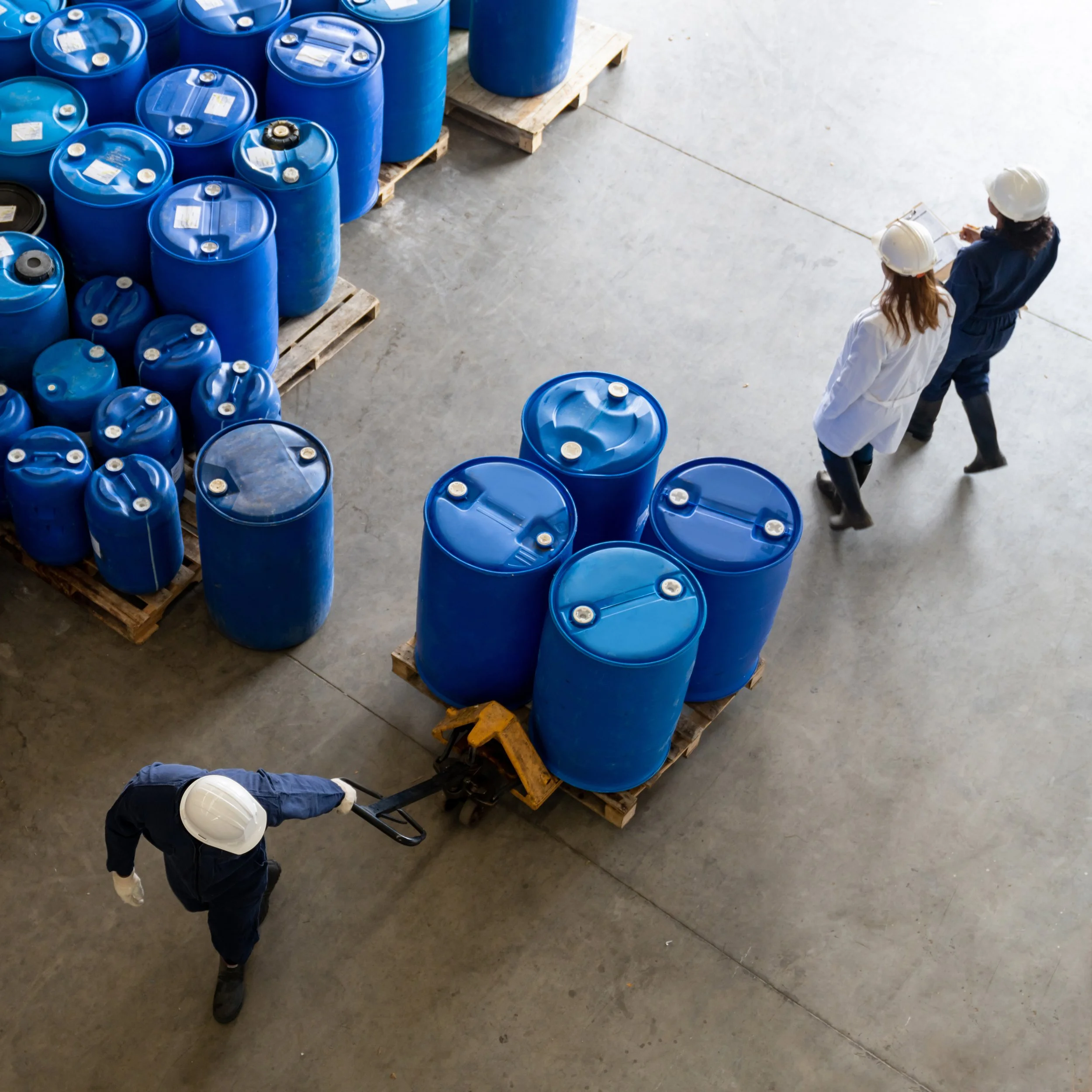
With the deadline for Tier II reporting submission approaching on March 1, 2024, read this article to learn the four key components of Tier II reports and why they are so significant to emergency preparedness and response efforts.

Managing and protecting wetlands in Indiana is a multifaceted challenge that requires careful navigation of regulatory frameworks, a clear understanding of permitting processes, and a commitment to effective mitigation and compliance strategies. Read this article to learn about the Isolated Wetland Individual Permit, wetland mitigation requirements, and regulatory guidance for developers and companies.

As the renewable energy sector continues to grow, using external expertise in environmental compliance is an essential component of responsible and forward-thinking project management. Read this article to learn how third-party environmental compliance inspections can benefit utility-scale solar & wind power plant development projects and what has saved our renewable energy clients the most money.

The construction industry is no stranger to evolving regulations aimed at protecting the environment. If you're involved in construction in California, you're likely familiar with the California Construction General Permit (CGP). The permit was first adopted in 2009 to address stormwater runoff, safeguard water quality, and prevent pollution associated with construction activities. Read this article to learn 10 key updates in the new CGP that went into effect on September 1, 2023.

In October 2023, U.S. EPA finalized a rule to require enhanced PFAS reporting, removing a 2020-era loophole that enabled companies to avoid reporting their production or use of small amounts of PFAS. This rule classifies PFAS as “chemicals of special concern,” thereby requiring industries to report to the Toxic Release Inventory (TRI) any amount of the 189 covered PFAS used. Read this article to learn more about PFAS, the new EPA regulation, and how you can limit your exposure to PFAS.
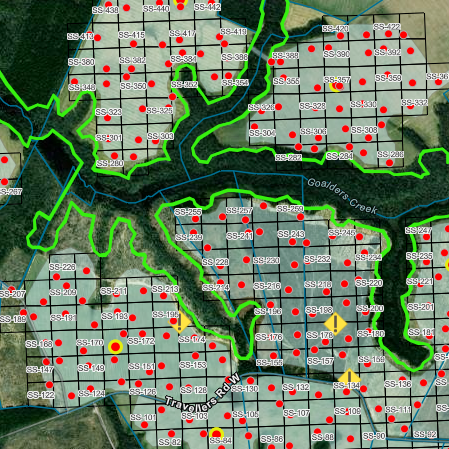
Geospatial Information Systems (GIS) technology offers an effective, digital approach to solar energy development. Read this post to learn the benefits of GIS for utility-scale solar projects, including maximizing energy output and guaranteeing the lowest environmental impact.

Millions of people in the U.S. are drinking water with PFAS levels that are above the new EPA health advisories. Exposure to these ‘forever chemicals’ has been linked to a wide variety of health issues. Read this post to learn more about the unique challenges of PFAS testing and remediation.

What specific actions should California wineries and vineyards take to score higher on the CSWA questionnaire and show continuous improvement in sustainability practices? Read this post to learn what steps to take and the importance of establishing a GHG inventory and mitigation plan.

Even incremental increases in the U.S. EPA statutory maximum civil penalties can add up to significant penalties where the violation is defined on a per-day basis. Read this post to learn how to avoid EPA penalties and how an Environmental Management System (EMS) can help.

The ability to successfully argue that your stormwater was impacted by wildfires is not automatic or absolutely certain – you have to take action. Read this post to learn the requirements for consideration in the recently issued California State Water Board guidance.

The TSCA Chemical Data Reporting (CDR) rule requires manufacturers, producers, and importers to report to the U.S. EPA data on the manufacturing, processing, and use of certain chemical substances. Read this post for the important changes to 2020 TSCA CDR reporting requirements and the new extended reporting deadline.

Never sampled before? Read this post for some lessons learned to help you get clear on the upcoming MSGP Stormwater requirements.

The California DTSC will soon be publishing its study to support development of California-specific attenuation factors (AFs) for vapor intrusion to indoor air. Read this post to learn about the study’s preliminary findings and why site cleanup + Vapor Intrusion mitigation systems are the preferred solution.

There is a big push in the mining industry to find more sustainable solutions, particularly in terms of equipment or methods. Read this post for 5 Turnkey ways for mining companies to improve their ESG profile.

How can your company send a message to your customers and investors about your commitment to sustainability? One common way is to establish GHG reduction goals relative to a GHG baseline inventory. Read this post for our 3-step strategy for setting your GHG targets.

If you operate an industrial facility in the U.S., your facility is very likely subject to the Multi-Sector General Permit (MSGP) for Stormwater. Read this post for the 10 biggest changes in the proposed 2020 MSGP and tips for what your facility can do now to get ready.

Virtual inspections have become the necessary and viable alternative for essential businesses to continue to comply with regulations in the face of the COVID-19 pandemic while keeping facility personnel and inspectors safe. Read this post for some helpful tips and tools needed to successfully perform a remote video inspection.

Public sentiment is critical to the approval of any project, so don’t let misinformed perceptions judge its viability. Read this post to learn how a life cycle analysis can potentially convey the positive impacts of a project and alleviate the pressure investors often feel when trying to get stakeholder support for their project.

Compliance Deadline Alert for all California industrial businesses with Notice of Intent (NOI) coverage under the California Industrial General Permit (IGP) for stormwater who recently entered Level 1 status after July 1st, 2020. Read this post to learn what you need to do if your facility enters ERA Level 1 Status.

The current Phase I Environmental Site Assessment (ESA) standards are due to sunset next year in 2021. Several potential changes are currently in discussion, which may result in significant differences between the current and upcoming standard. Read this post to learn about the 5 most important changes that are being considered.

The U.S. EPA’s final rule gives generators increased flexibility to determine if wastes meet the RCRA ignitability characteristic. Read this post to learn more about the change to this rule’s testing methods.


