

Expert insight on the latest Health & Safety, Industrial Hygiene, OSHA Compliance, Risk, and Emergency Response topics.
Search All Articles

Employers in California have a crucial responsibility to protect their employees from the harmful effects of wildfire smoke, particularly when air quality levels reach hazardous thresholds. Read this article to understand employer responsibilities and solutions to reduce employee risk.

When it comes to workplace safety, especially in environments where exposure to hazardous substances like methanol occurs, understanding permissible exposure limits (PELs) and effective respiratory protection is crucial. Read this article to learn the specifics of methanol exposure limits, the limitations of common respiratory protection, and the best practices for ensuring safety in the workplace.

California, Colorado, Minnesota, Oregon, and Washington currently have occupational heat stress standards for the workplace. Read this article to learn about each state’s indoor and outdoor heat illness prevention requirements and how to prepare for the proposed national OSHA Heat Stress rule.

Cal/OSHA has significantly lowered the occupational exposure thresholds for lead. As a result, numerous regulatory requirements will be triggered, resulting in a lot of work ahead for many employers. Read this article for a compliance action plan to meet Cal/OSHA’s 2025 deadline.

Did you know that OSHA requires hazard assessments on all operations to determine the Personal Protective Equipment (PPE) required by employees? Read this article to learn what the OSHA regulation requires and what employers need to do to meet compliance if hazards are present or likely to be present.

Deadline Alert! With less than 3 months before the deadline, SB-553 requires almost all California employers to prepare a Workplace Violence Prevention Plan (WVPP), provide workplace violence prevention training for employees, and maintain a violent incident log by July 1, 2024. Read this updated article to learn more about the new law and what your organization should do to meet compliance.

In industries ranging from manufacturing to agriculture, combustible dust poses a significant yet often overlooked hazard. To address this concern, the National Fire Protection Association (NFPA) has developed standards aimed at mitigating the risks associated with combustible dust. Read this article to learn about NFPA's combustible dust standards and how to complete a Dust Hazard Analysis (DHA), an essential component of managing combustible dust hazards.
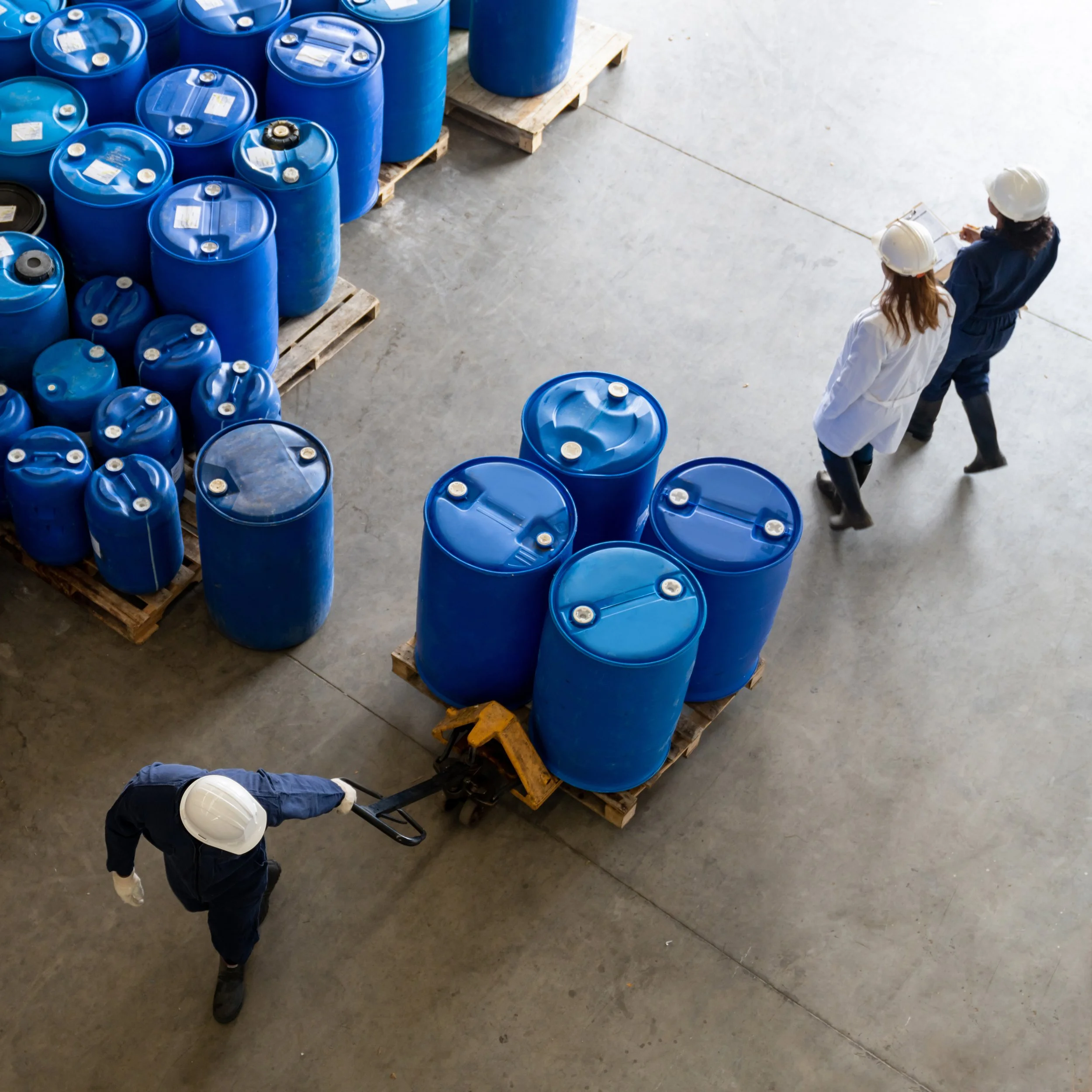
With the deadline for Tier II reporting submission approaching on March 1, 2024, read this article to learn the four key components of Tier II reports and why they are so significant to emergency preparedness and response efforts.

Waiting to address safety issues until after a failed OSHA inspection or after an incident occurs means that the damage is usually already done. This post explains the benefits of having a comprehensive third-party OSHA compliance audit, what the OSHA compliance audit process includes, and what expertise the auditor should have.

HAZWOPER is a much-misunderstood topic among employers and safety professionals alike. In this post, we will clarify what HAZWOPER is, why it is necessary, who it affects, and review the different HAZWOPER training requirements.

A culture based on safety is developed by recognizing the importance of reducing hazards and minimizing risks so that occupational injuries/illnesses do not occur. Read this post to learn more about building a strong safety culture and behavior-based safety.

The deadline for electronically reporting your OSHA Form 300A data for the 2021 calendar year is rapidly approaching. Read this post to learn who must submit the form, and what injuries and illnesses are recordable - including COVID-19 work-related illness or vaccine adverse reaction.

Does your facility have an effective energy control program? Read this post to learn the steps for developing a comprehensive energy control program that maintains OSHA compliance and protects your employees.

After a workplace accident, it is critical that a follow-up investigation be performed as soon as possible. Read this post to learn the three steps needed for an effective investigation.
The White House Office of Information and Regulatory Affairs indicates that OSHA will issue Emergency Temporary Standards that employers will be expected to adhere to regarding COVID-19, and will be published no later than June 2021.

To eliminate liability, employers must protect their employees from incidents such as workplace violence and active shooter events by completing a threat and vulnerability assessment of their site to determine if and what risks exist. Read this post to learn what steps to take and what questions to ask.

Each year there are more than 164,000 emergency room-treated injuries and 300 deaths in the U.S. that are caused by falls from ladders. Read this post to learn how to choose the right ladder for the job and how to use it safely.

The goal of OSHA’s new COVID-19 National Emphasis Program (NEP) is to significantly reduce or prevent employees in high-hazard industries or work environments from contracting SARS-COV-2. What does this mean for employers?

The lack of proper ventilation or open windows in an indoor environment, even with social distancing and mask wearing, can lead to a very contagious situation for anyone in that space if even one person in the room is infected. Read this post to learn steps to improve ventilation to help reduce the spread of Coronavirus.

Energy control procedures and the application of locks and lockout/tagout (LOTO) devices can save lives. Read this post to learn about hazardous energy and how to build an effective LOTO program.

It is important to have a detailed Emergency Action Plan in place at your company to protect employees from serious injury or death and any property loss that might result. Read this post to learn the 6 key components of an effective Emergency Action Plan (EAP).

In its most significant rulemaking in some time, the Pipeline and Hazardous Materials Safety Administration (PHMSA) published HM-219C in an effort to support the safe and expedited transportation and distribution of approved COVID-19 vaccines. Read this post to learn the key updates in the new rule.

Manufacturers in the U.S. have implemented a number of different control types in their COVID response actions. Read this post to learn the common denominator among many successful controls and which policy requirements have successfully driven employee confidence.

In addition to environmental considerations, the sustainability of green power installations involves worker health and safety protection. Read this post to learn the top 10 Green Energy job hazards and what the Renewable Energy Sector can do to improve worker safety.

There is a big push in the mining industry to find more sustainable solutions, particularly in terms of equipment or methods. Read this post for 5 Turnkey ways for mining companies to improve their ESG profile.

As a result of huge market growth, more and more people are becoming employed in the cannabis industry each day, creating a need for safety awareness and injury prevention. Read this post to learn how cannabis companies can build an effective and compliant occupational safety and health program.

Due to the current pandemic, many businesses are facing a lull in business - making it an opportune time for companies to evaluate all parts of their safety management systems. Read this post to learn how a Job Hazard Analysis (JHA) can benefit your operations.

Virtual inspections have become the necessary and viable alternative for essential businesses to continue to comply with regulations in the face of the COVID-19 pandemic while keeping facility personnel and inspectors safe. Read this post for some helpful tips and tools needed to successfully perform a remote video inspection.

Virginia is the first state to adopt an enforceable mandate regarding COVID-19 safety measures in the workplace. Will other States use Virginia’s groundwork and follow suit?

The abrupt change to our state of living caused by the COVID-19 pandemic is leading us down a road of unknowns. Employees may experience heightened levels of stress, anxiety, depression, fear, and even anger. What proactive steps can businesses take to help prevent workplace violence and ensure that the work environment is a safe and healthy place of business?


