

Why “Planet” Matters in Sustainable Construction: How Eco-Focused Buildings Benefit Everyone
/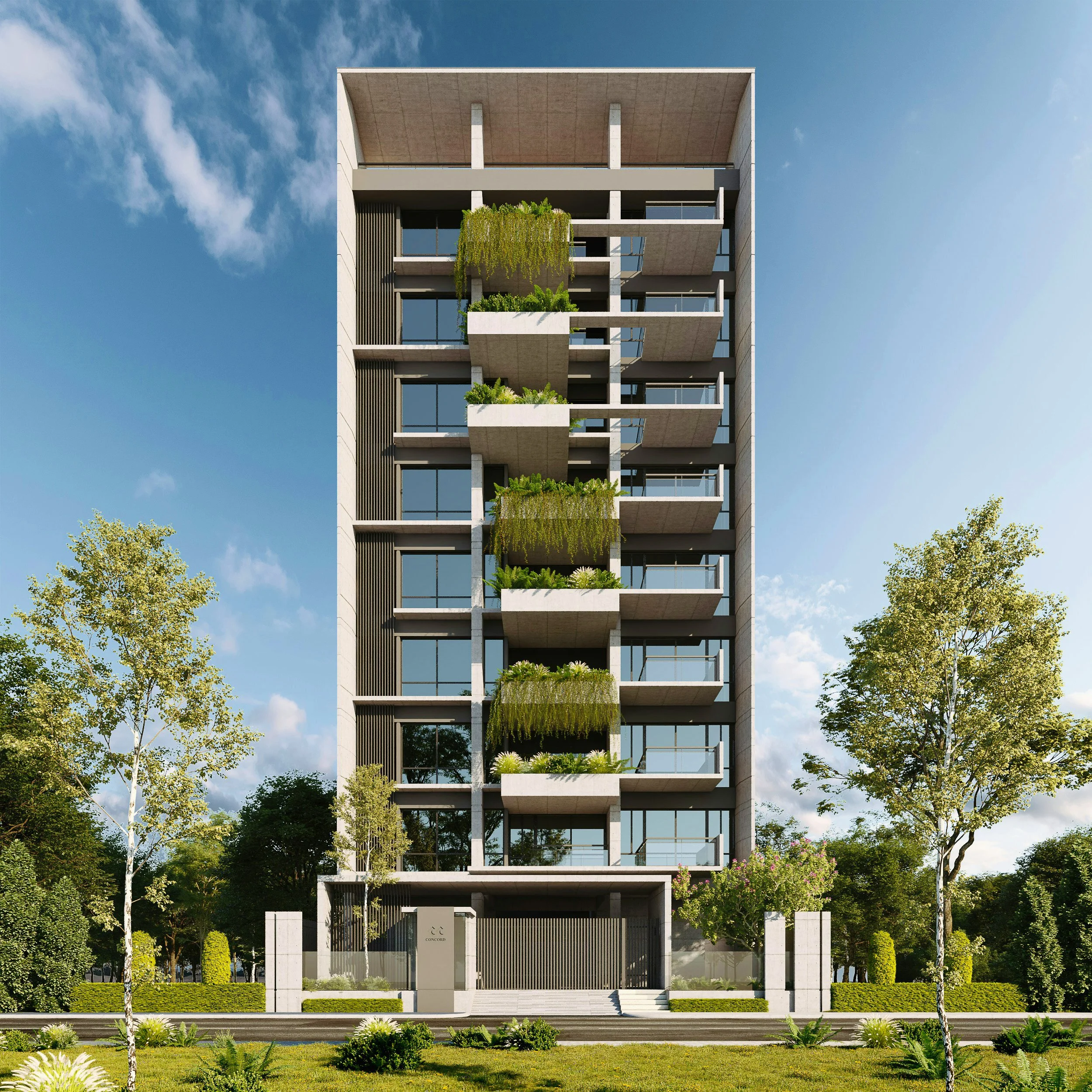
Sustainable construction often follows the principles of the Triple Bottom Line, which focuses on three pillars: social, environmental, and economic. These pillars are often abbreviated to the three Ps: People, Planet, and Profits. In this three-part series, we will investigate sustainable construction by examining each of the “Ps” – what it is, why it is important, and the benefits it can bring to your next project.
Part 1 of this series explored the economic drivers behind sustainable construction and why profitability is essential to long-term success. In Part 2, we shift our focus to the one home we all share, the planet. We will take a closer look at how environmentally responsible building practices can reduce harm, conserve resources, and create healthier, more resilient spaces that benefit both communities and ecosystems for generations to come.
What “Planet” Means in Sustainable Construction
When people think about sustainable construction, eco-friendly design is often the first thing that comes to mind. The “planet” element of the triple bottom line underscores the built environment's responsibility to protect and restore natural systems rather than deplete them. In simple terms, the environmental pillar of sustainable construction is about designing and constructing buildings that minimize negative environmental impacts and maximize positive contributions to ecological health.
From Green to Regenerative Design
The “planet” pillar is about more than minimizing environmental damage. By designing buildings and communities that actively improve the world around them, the construction industry can conserve natural resources, mitigate emissions, protect ecosystems, promote climate stability, and enhance quality of life for present and future generations.
Environmental Impact of Traditional Construction
The construction and operation of buildings have historically been some of the largest contributors to global greenhouse gas emissions, resource depletion, and waste generation. Traditional building practices consume vast amounts of energy, water, and raw materials and emit significant levels of greenhouse gases. By prioritizing the planet, sustainable construction seeks to reverse this trend.
In 2010, the US Department of Energy reviewed 22 LEED-certified buildings and found that compared with traditional buildings, LEED buildings consumed 25% less energy, 11% less water, and diverted over 80 million tons of waste from landfills. Sustainable construction aims to reduce harm to the local ecology while creating resilient, efficient, and regenerative spaces.
Eco-Friendly Construction Is Becoming Mainstream
Importantly, the environmental strategies that were once considered niche or expensive are becoming more mainstream. Market demand and technological advances have driven down the cost of renewable energy systems, efficient lighting, and eco-friendly materials, making them increasingly accessible. As more projects adopt these practices, economies of scale ensure that protecting the planet becomes not just possible but also practical and cost-effective.
6 Environmental Benefits of Sustainable Building
Sustainable buildings focus on using strategies that lessen environmental impact throughout the entire lifecycle. Benefits to the planet include:
1. Energy Efficiency Reduces Emissions
Sustainable construction lowers reliance on fossil fuels by incorporating energy-efficient systems and renewable energy sources. By reducing overall energy demand and cutting both greenhouse gas and pollutant emissions, these strategies improve air quality while supporting a cleaner, more stable climate.
2. Water Conservation Protects Vital Resources
Freshwater is one of the planet’s most limited resources, and sustainable buildings help preserve it through low-flow fixtures, rainwater harvesting, and drought-resistant landscaping practices such as xeriscaping. These approaches reduce strain on local water supplies while promoting long-term resilience.
3. Sustainable Materials Minimize Environmental Impact
Choosing locally sourced, recycled, renewable, or low-impact materials helps to reduce waste and lessen the environmental footprint of construction. Sustainable material selection also decreases resource extraction and supports healthier ecosystems throughout a building lifecycle.
4. Circular Practices Reduce Waste
Sustainable construction promotes a circular economy by encouraging the reuse, repurposing, and recycling of materials instead of sending them to landfills. By designing with resource efficiency in mind, projects can significantly reduce construction waste and extend the life of valuable materials.
5. Regenerative Design Strengthens Ecosystems
Building sustainably can enhance the natural environment rather than disrupt it. Practices such as natural stormwater management, biodiversity support, and climate-resilient site planning improve surrounding ecosystems and create healthier spaces for both people and wildlife.
6. Long-Term Sustainability Supports Future Generations
Sustainable construction ensures that today’s buildings do not compromise tomorrow’s needs. By conserving energy, protecting water supplies, and reducing pollution, planet-focused design helps safeguard natural resources and maintain a livable world for future generations.
Final Thoughts: Building With the Planet in Mind
Sustainable construction reminds us that buildings are not isolated objects; they are deeply connected to the land, air, water, and life that surround them. When we design with the planet in mind, we build not only for today but also for the long-term health of our shared home.
KERAMIDA partners with developers, building owners, and organizations to connect sustainable construction goals with lasting financial success. We offer expertise for commercial and industrial properties pursuing net-zero status. Our team also supports clients in integrating sustainability, resiliency, and community equity into infrastructure planning and construction, with comprehensive guidance toward Envision verification. Contact us or call (800) 508-8034 to speak with one of our sustainable building and construction specialists.
Author

Steve Loria, ENV SP, LEED AP BD+C
Manager, Sustainability Strategy & Reporting
KERAMIDA Inc.
Contact Steve at sloria@keramida.com
Related Services



Whether you manage a single building or an entire portfolio, KERAMIDA’s energy audit experts deliver insights that translate into measurable energy and cost savings. Led by our Certified Energy Manager (CEM), our team of engineers and green building experts has decades of combined experience working on significant energy audit projects. Our ASHRAE-compliant energy audits are tailored to each facility.



